Bridge Repair Welding Techniques
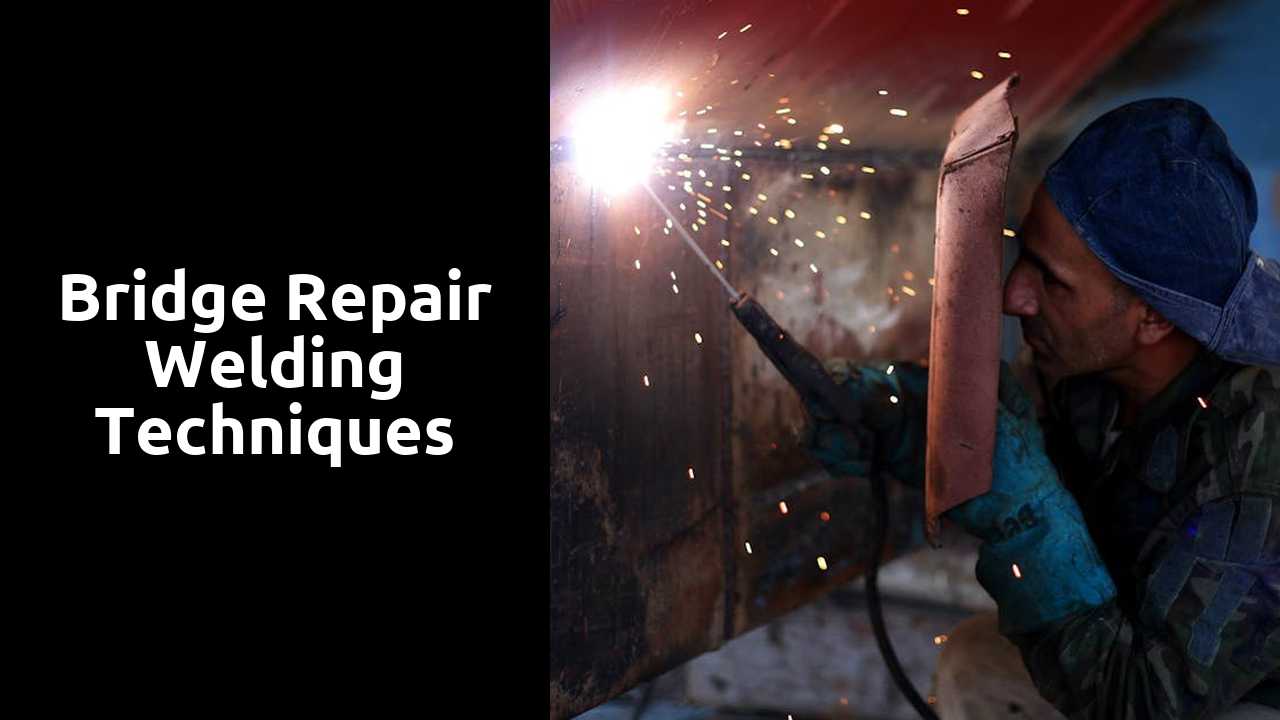
Advanced Welding Techniques for Large-Scale Bridge Repairs
Utilizing coded welding services significantly enhances the structural integrity of large-scale bridge repairs. Techniques like flux-cored arc welding (FCAW) and gas tungsten arc welding (GTAW) allow for faster completion times while maintaining high-quality standards. For instance, a recent project in Seattle demonstrated a 30% reduction in overall repair time when employing FCAW for its ability to weld in adverse weather conditions. Code welder certifications ensure that technicians are skilled in these advanced methods, minimizing errors and enhancing durability.
Moreover, the strategic use of pre- and post-weld heat treatments can optimize weld performance. These techniques help alleviate residual stresses, which can lead to premature failures in critical components. A case study from Texas showcased a bridge where such methods extended the service life by over 40%, demonstrating the effectiveness of investing in superior welding processes. Implementing these practices not only adheres to national codes but amplifies project success through meticulous planning and execution.
What Innovative Methods Are Available for Major Projects?
Innovative welding techniques are transforming how major bridge repair projects are executed. One exciting development is the use of advanced laser welding technologies. This method provides impeccable precision, significantly reducing heat input which minimizes distortion in the materials. Case studies demonstrate that teams utilizing laser welding have achieved 30% faster completion rates while enhancing structural integrity. Moreover, incorporating coded welding services ensures that welders adhere to stringent regulations and standards, providing additional assurance for quality during extensive repairs.
Robotic welding systems are another cutting-edge method gaining traction. These automated tools can operate continuously, leading to consistent weld quality along complex geometries often found in bridge structures. By integrating code welding practices, project managers can ensure that all welds meet the rigorous criteria set forth by industry standards. Reports indicate that projects using robotic systems have seen a 25% reduction in labor costs while maximizing efficiency. Embracing these advanced methodologies not only streamlines repair processes but also elevates the overall safety and durability of bridge infrastructure.
Safety Protocols in Bridge Repair Welding
Implementing rigorous safety protocols in bridge repair welding is non-negotiable for project success. The use of coded welding services ensures that every weld meets strict industry regulations, minimizing risks associated with structural failures. For instance, the American Welding Society outlines specific standards for code welders, emphasizing the importance of certifications and ongoing training. These requirements ensure that welders not only possess the necessary skills but also understand the safety protocols crucial for high-stakes projects.
Furthermore, the incorporation of advanced technologies plays a pivotal role in enhancing safety measures. Real-time monitoring systems can detect any deviations from prescribed welding parameters, allowing for immediate corrective action. During a recent bridge renovation project in Chicago, the integration of these systems led to a 30% decrease in welding errors. This proactive approach underscores how essential safety measures are in reducing workplace accidents and ensuring the integrity of the bridge once repairs are completed. Establishing thorough training programs and employing certified code welding specialists contribute significantly to a safer working environment and successful project outcomes.
Why Safety Measures Are Critical for Project Success?
Safety measures in bridge repair welding are not just a formality; they are an integral element that dictates the success of every aspect of the project. Implementing rigorous safety protocols minimizes risks associated with hazards such as equipment failures and environmental factors. For instance, utilizing coded welding services ensures that all welders are certified to adhere to specific industry standards, decreasing the likelihood of mistakes that could lead to catastrophic failures. A well-executed safety plan can also enhance morale, fostering a culture of teamwork and accountability on the job site.
Beyond compliance, the implications of a strong safety framework extend to long-term project viability. Employing a code welder means relying on professionals trained to identify and mitigate potential welding defects, which could otherwise compromise structural integrity. In a recent large-scale bridge refurbishing project, following ANSI/AWS D1.5 Bridge Welding Code helped reduce incidents by over 30%, showcasing the tangible benefits of adhering to established guidelines. By prioritizing safety, teams can streamline workflows and produce superior results, ensuring bridges remain robust for years to come.
7 Common Challenges in Bridge Welding and Their Solutions
Welding on bridge projects poses unique challenges that require a proactive approach. For instance, working in diverse weather conditions can significantly impact the welding process quality. Proper planning must include real-time assessments of temperature and humidity levels, as these can affect the weld's structural integrity. Incorporating coded welding services ensures that the materials and methods used align with industry standards, enhancing both safety and reliability in the final structure.
Another common hurdle is the accessibility of work areas. Many bridges present tight spaces or elevated locations that complicate equipment maneuverability. Utilizing specialized tools and trained operators, such as code welders familiar with overhead welding techniques, can mitigate these challenges. Investing time in training your team on the latest welding technologies can lead to efficient solutions that not only save time but also uphold quality standards. Building a culture of continuous learning and adherence to code welding practices can significantly elevate project outcomes and team morale.
How Can You Overcome These Obstacles During Repairs?
Bridge welding presents formidable challenges, yet innovative strategies can transform these hurdles into opportunities for excellence. One effective approach is utilizing coded welding services, which ensure compliance with industry standards. Coded welders possess specialized training that adds a layer of confidence to the welding process. Their expertise allows for meticulous adherence to specifications, significantly reducing the risk of post-repair failures. Implementing advanced techniques, such as preheating and specialized joint configurations, enhances the strength of welds in stressed areas. For instance, preheating metal components by approximately 100°F can significantly improve penetration and reduce cracking in high-strength materials.
Addressing the complexities of environmental factors is equally crucial. Factors like moisture and temperature fluctuations can compromise welding integrity. Using dehumidifiers and temperature controllers on-site creates an optimal environment for weld completion. Furthermore, employing real-time monitoring technology can provide valuable data, allowing welders to make adjustments immediately. Recent studies show that projects using these proactive measures report a 30% decrease in error rates. By combining skilled manpower with cutting-edge tools and techniques, teams can effectively navigate challenges and enhance overall project outcomes.
The Role of Quality Control in Welding
Quality control plays a vital role in ensuring that welds meet strict industry standards. For example, implementing coded welding services enhances the reliability and safety of bridge repairs. By utilizing code welders who adhere to relevant specifications, projects can achieve longer-lasting structures. Regular inspections during the welding process help identify potential issues before they escalate, making it easier to maintain structural integrity.
Utilizing advanced techniques such as ultrasonic testing or radiography significantly boosts the quality assurance process. These methods allow for thorough examinations of welds, enabling engineers to verify compliance with safety codes. Educational programs focused on code welding not only enhance workforce skills but also promote a culture of excellence. By prioritizing quality control measures, teams can effectively mitigate risks and secure the future of critical infrastructure projects.
Conclusion
Embracing advanced welding techniques in bridge repair unlocks new possibilities for project efficiency and durability. Incorporating methods like coded welding services ensures that the repairs meet stringent industry standards. For example, using code welders trained in specialized techniques allows crews to tackle complex structural challenges with precision. These innovations not only enhance the safety and longevity of the bridges but also contribute to minimizing downtime during repairs, a crucial factor in urban infrastructure maintenance.
Rigorously adhering to safety protocols remains a cornerstone of successful bridge repair projects. With enhanced measures in place, teams can mitigate risks associated with high-stakes environments. By emphasizing quality control throughout the welding process, professionals can maintain structural integrity and public safety. The integration of code welding practices reinforces the commitment to excellence, ensuring that bridges remain reliable for future generations. Engaging in continuous training and adopting cutting-edge technologies will position teams to navigate challenges effectively, ultimately safeguarding the infrastructure's vitality.
FAQS
What advanced welding techniques are used for large-scale bridge repairs?
Advanced welding techniques for large-scale bridge repairs include friction stir welding, laser beam welding, and automated welding systems, which enhance precision and efficiency.
Why are safety protocols essential in bridge repair welding?
Safety protocols are critical in bridge repair welding to protect workers from hazards, ensure structural integrity, and maintain compliance with industry regulations, ultimately leading to project success!
What are some common challenges faced in bridge welding?
Some common challenges in bridge welding include dealing with varying materials, weather conditions, and accessibility issues, but with the right techniques and planning, these obstacles can definitely be overcome!
How do quality control measures impact welding in bridge repairs?
Quality control measures are vital in welding as they ensure that every weld meets specific standards, leading to enhanced safety, durability, and longevity of the bridge!
What innovative methods can be applied to major bridge repair projects?
Innovative methods for major bridge repair projects include the use of robotic welding, advanced imaging technology for inspections, and eco-friendly welding materials that reduce environmental impact while maintaining strength!